Early counting in South Africa’s 2026 local government elections has put the African National Congress (ANC) under pressure, with the first returns pointing to a closely contested political landscape in major municipalities.
Reuters reported on Thursday, 5 November, that with roughly 36% of votes counted, the ANC had about 32% of the vote and the Democratic Alliance (DA) approximately 27%. These are provisional national figures from an incomplete count, not final results or confirmed council allocations.
Coalitions could determine control of councils
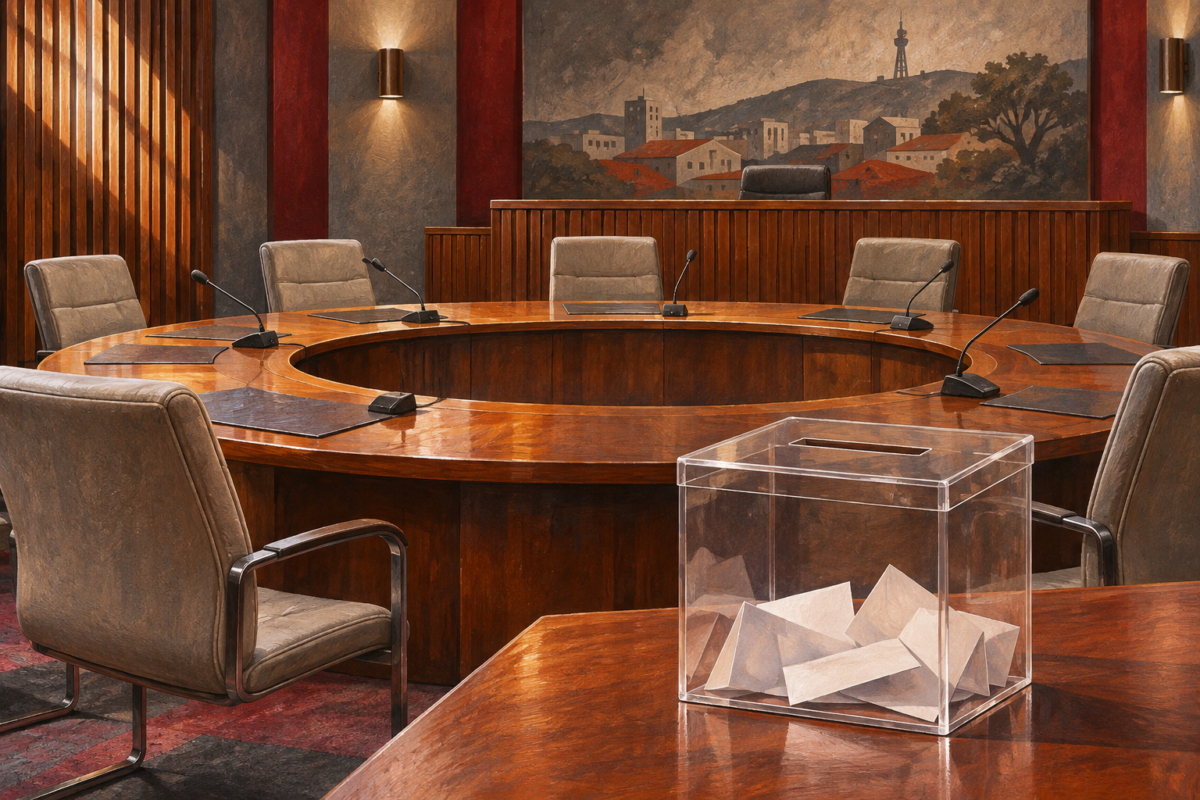
Where no party secures an outright majority on a municipal council, parties may need to negotiate governing arrangements. Such talks can determine who becomes mayor, how executive positions are allocated and whether councils can adopt budgets and service-delivery programmes.
Early patterns do not establish who will govern any particular municipality. Vote counting, verification and the allocation of council seats must be completed before firm conclusions can be drawn.
Local services remain central
The election follows sustained public concern over local service delivery, including water, electricity, roads and municipal administration. The eventual council compositions will matter directly to residents and businesses that depend on reliable local infrastructure.
Voters should consult the Electoral Commission’s official results platform for confirmed ward and municipal figures as counting progresses.
Reporting basis: Reuters, 5 November 2026. Figures are provisional and subject to change.