PEOPLE · Biographical profile
Miriam Makeba was a South African singer and anti-apartheid activist whose international career helped introduce African music to wider audiences. Widely known as Mama Africa, she was born in Johannesburg on 4 March 1932 and died on 9 November 2008.
Early career and international recognition
Makeba performed with the Manhattan Brothers during the 1950s. The US National Archives records her American television debut on The Steve Allen Show in November 1959 and the release of her first US studio album the following year. Harry Belafonte helped her establish her career in the United States.
Her recorded repertoire includes Pata Pata, Qongqothwane, often called The Click Song, and Malaika. Unisa’s historical account identifies Pata Pata’s 1967 success among her international milestones and describes her as a Grammy-winning artist.
Exile and activism
The apartheid authorities’ cancellation of her passport prevented Makeba from returning home in 1960. She used her international visibility to speak against apartheid, including at the United Nations. Her life and work connected performance with a public campaign against racial oppression.
Cultural recognition
Unisa awarded Makeba an honorary doctorate in 2002 and named its renovated concert hall after her in 2009. Her recordings and public activism remain central to accounts of her cultural legacy.
This introductory profile was checked on 12 November 2026. Sources: US National Archives, Unisa History and Memory Project and South African History Online.
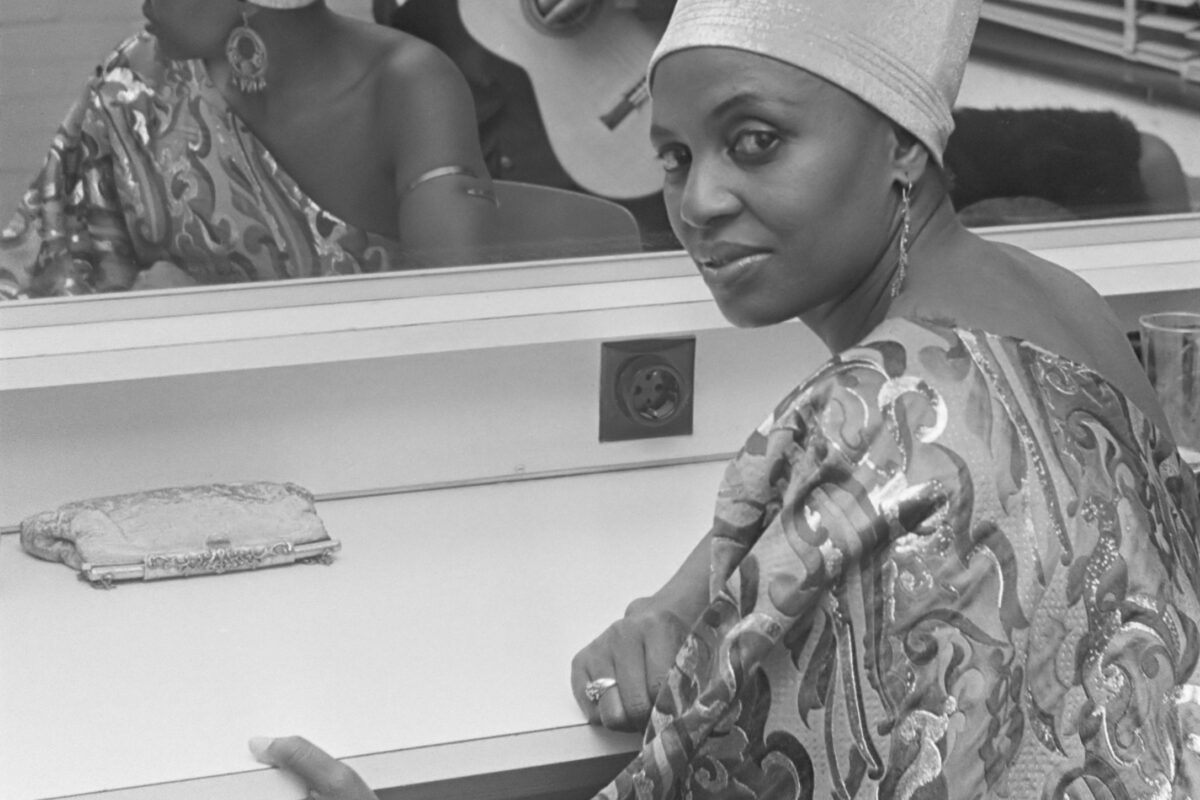
Photo credit: Miriam Makeba at the Grand Gala du Disque Populaire, 7 March 1969. Historical portrait. Rob Mieremet / Anefo / Nationaal Archief, via Wikimedia Commons · CC BY-SA 3.0 NL (embedded archival licence; Commons also records no known restrictions). Display resizing/cropping only; any photo adaptation remains under the same licence where required.